Titanium Clad Copper

Titanium Clad Copper Flat Bar,Titanium Clad Copper Flat Bar,Ti Clad Cu Flat Bar,Titanium Copper Composite Bar,Titanium Clad Copper Busbar,Titanium Copper Bimetal Bar
Titanium Clad Copper Flat Bar

Titanium Clad Copper Flat Bar

Titanium Cladding: Grade 1 / Grade 2

Copper Core: T1 / T2 / C11000

Applicable Standards: GB/T 12769

Width: 30-100 mm or as request

Length: 500–6000 mm or as request

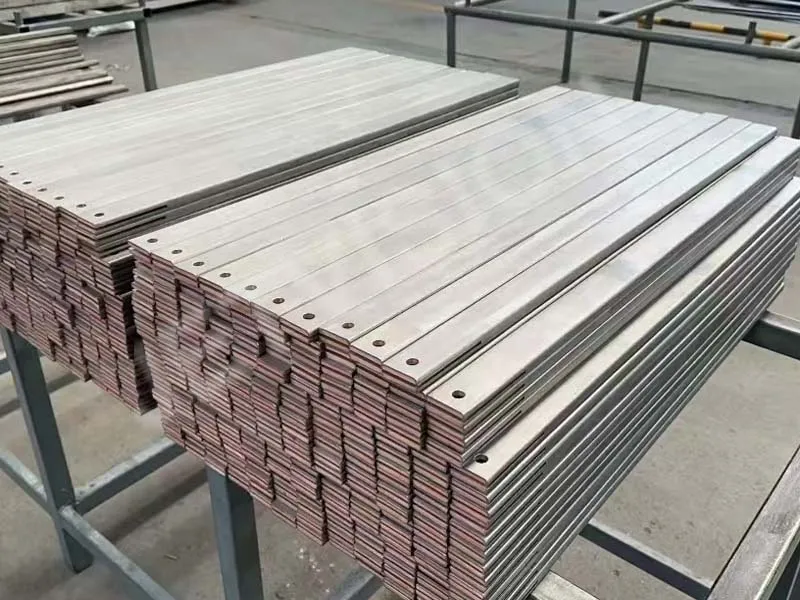
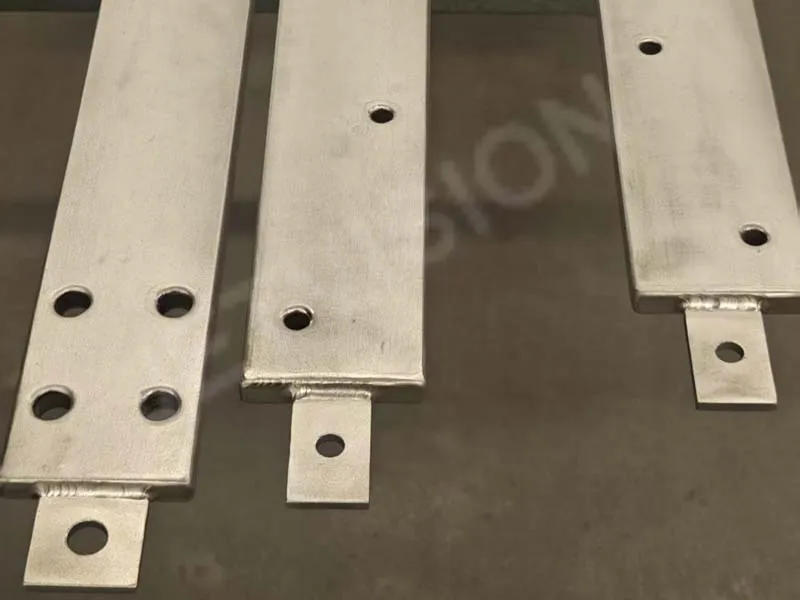
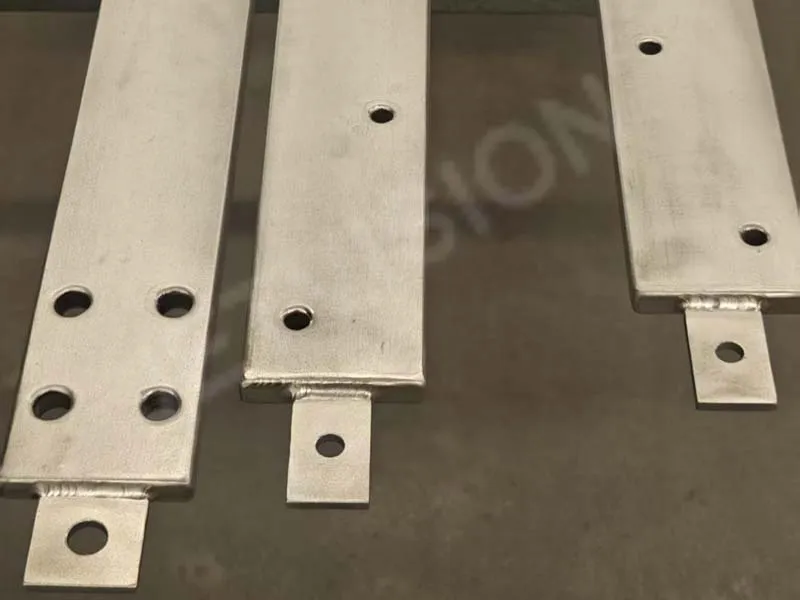
Fabrication Options: Cutting / Drilling / Bending / Machining / Customized Fabrication


Product Description

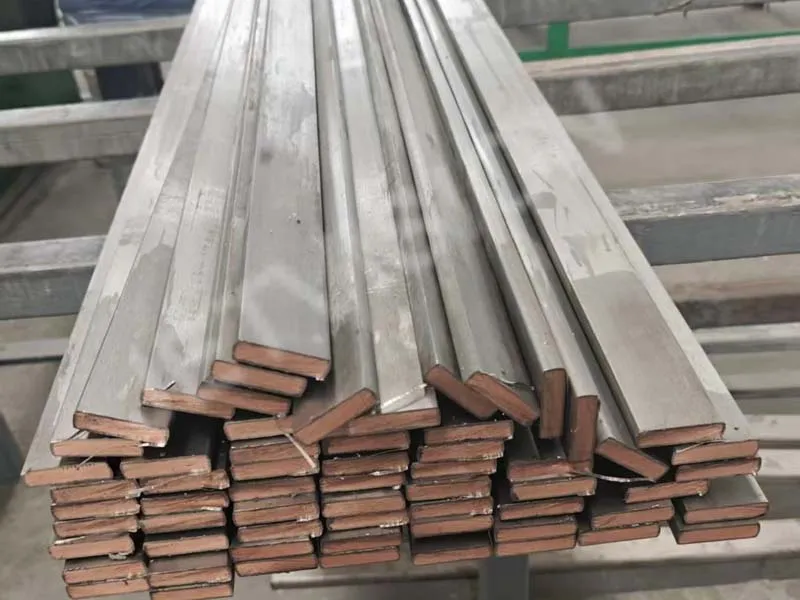
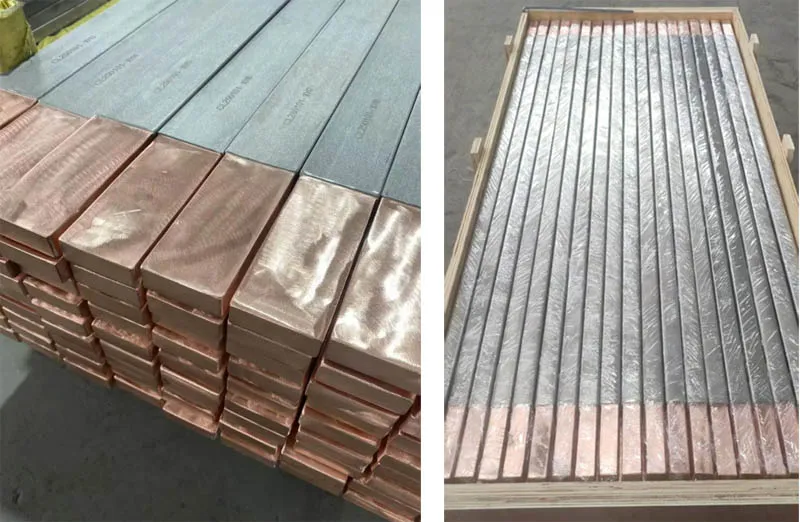
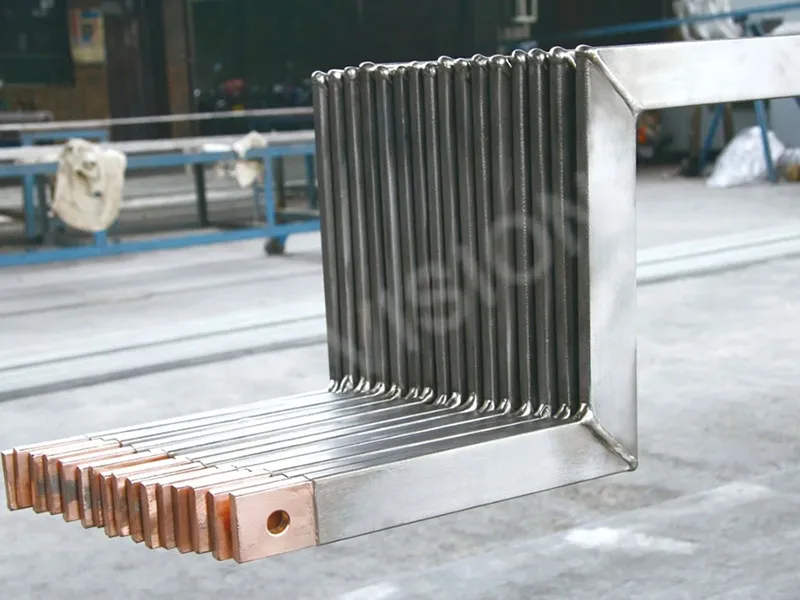
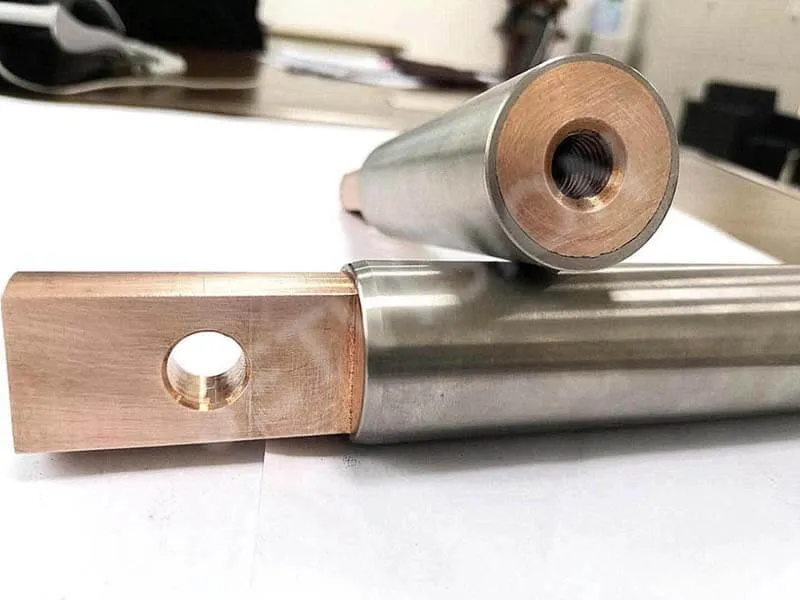
Titanium Clad Copper Flat Bar (Ti Clad Cu Flat Bar / Titanium Copper Composite Flat Bar / Titanium Clad Copper Bus bar) is a bimetallic composite material made by explosively bonding or roll-bonding pure titanium with high-conductivity copper.

It combines the corrosion resistance of titanium with the excellent electrical and thermal conductivity of copper, making it ideal for harsh electrochemical and power transmission environments.


Titanium Clad Copper Flat Bar is a titanium copper composite product combining the high electrical conductivity of copper with the corrosion resistance of titanium.

The flat bar structure provides a broad, stable contact surface for electrical connections, conductive assemblies, and industrial equipment. The titanium outer layer helps protect the copper core in corrosive or chemically demanding environments while maintaining the conductive advantages of copper.

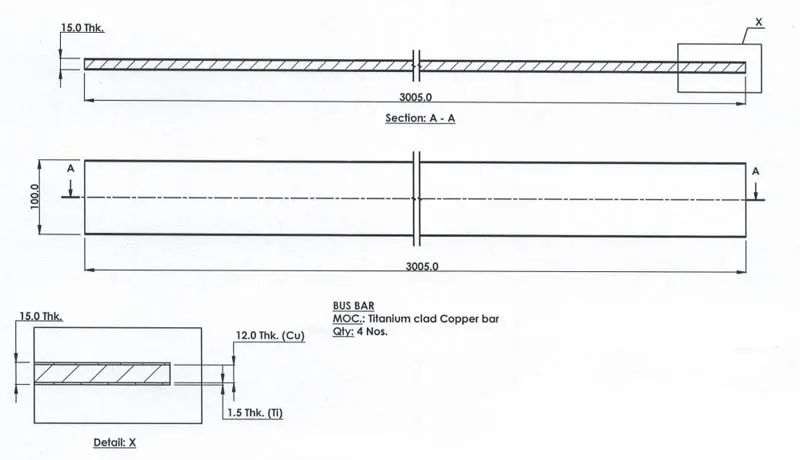
We manufacture custom titanium clad copper flat barsin different widths, thicknesses, lengths, titanium grades, copper grades, and cladding thicknesses according to customer drawings and technical requirements.


Key Features

· High electrical conductivity from the copper core

· Excellent corrosion resistance from the titanium cladding

· Flat geometry for convenient mounting and connection

· Customized width, thickness, and length

· Customized titanium cladding thickness

· Suitable for conductive and electrochemical applications

· Machined edges and surfaces available

· OEM and drawing-based manufacturing

Key Features of Titanium Clad Copper Flat Bar

High Conductivity + Excellent Corrosion Resistance for Electrochemical & Power Applications

High Conductivity: Copper core ensures superior electrical & thermal conductivity.

Strong Corrosion Resistance: Titanium layer resists acid, alkali, seawater, and electrochemical corrosion.

Permanent Bonding: ≥ 135 MPa bonding strength, no delamination.

Lightweight & Cost Saving: Lower titanium usage vs. solid titanium bars.

Excellent Weldability & Workability: Suitable for machining, bending, punching, drilling.

Long Service Life: Stable performance in high current & corrosive applications.

Available Grades of Titanium Clad Copper

Titanium Grade (Outer Layer):

TA1 / TA2 (Gr1 / Gr2)

Gr7 / Gr12 for stronger corrosion resistance

Custom grades available

Copper Grade (Core):

C11000 (TP1) / C10200

Electrolytic tough pitch copper

Custom copper based on application

Standard Sizes of Titanium Clad Copper

Available Grades

Titanium: Gr1, Gr2

Copper: T2, C11000

Standard Sizes

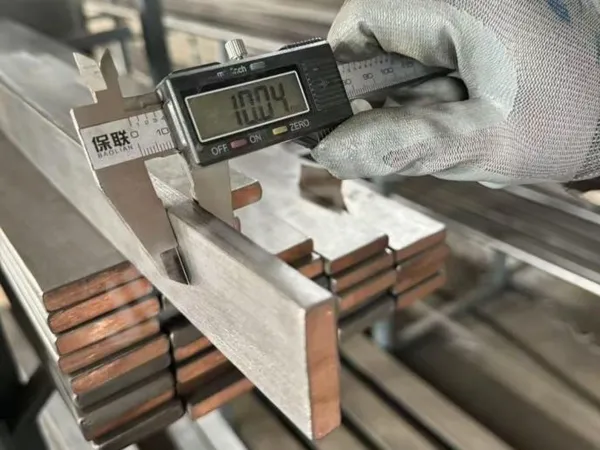
Thickness(Ti+Cu):1 mm-50 mm

Width:10 mm-300 mm

Length:up to 6 m or customized

Bonding Ratio

Ti layer thickness: 5% – 20%

Customization

Titanium-Clad Copper Flat Bar / Busbar / Strip / Plate

We can producing according to drawings or detailed specification, like bending, punching, drilling.OEM/ODM available.

Manufacturing Process

1. Raw Material Preparation

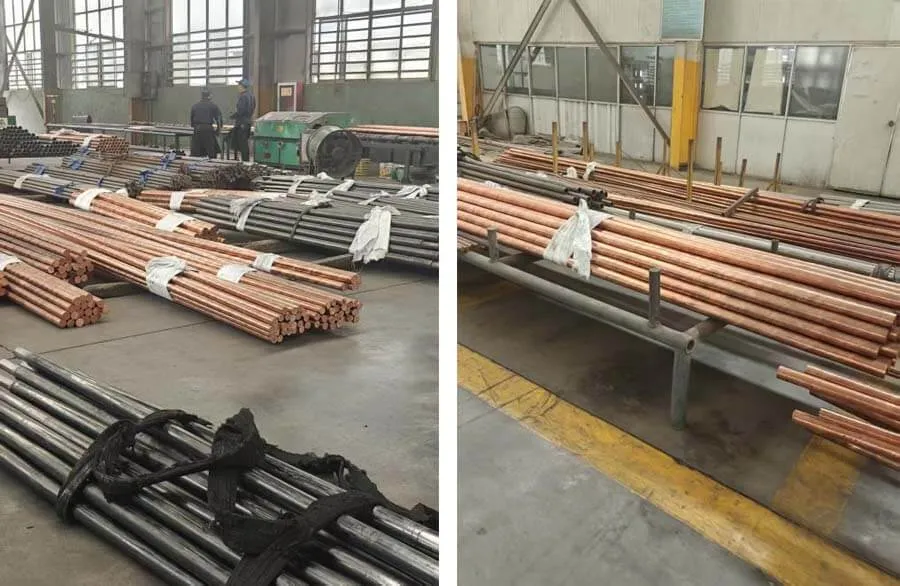
· Select high-purity electrolytic copper and ASTM B265 Grade 1 / Grade 2 titanium plates

· Surface inspection for cracks, impurities, lamination defects

· Cutting to required dimensions

Keywords:titanium plate, copper plate, raw material inspection, ASTM B265, C11000
2. Surface Treatment

· Titanium and copper are treated separately:

· Degreasing (alkaline cleaning to remove oil)

· Pickling (acid cleaning to remove oxides)

· Mechanical brushing / sandblasting to roughen bonding surface

· This step ensures a clean, activated surface for metallurgical bonding.

Keywords:surface activation, pickling, oxide removal

3. Vacuum Hot Rolling Composite

· Place titanium and copper plates in clean stacked order

· Load into vacuum furnace to remove oxygen

· High-temperature diffusion bonding under controlled pressure

· Rolling mill applies continuous pressure for solid bonding

This forms a 100% metallurgical bond, without glue or intermediate layer.

Keywords:vacuum bonding, diffusion bonding, titanium copper composite, hot rolling

4. Heating & Annealing

· Controlled temperature furnace

· Stress relief annealing to stabilize structure

· Improve ductility and long-term bonding stability

Keywords:annealing, stress relief, heat treatment

5. Mechanical Processing

· CNC cutting

· Milling, grinding, straightening

· Tolerance control (thickness, width, flatness)

· Edge trimming

Ensures the final Titanium Clad Copper Flat Bar meets dimensional accuracy.

Keywords:CNC machining, precision cutting, flatness control

6. Ultrasonic Testing & Bonding Inspection

· UT ultrasonic testing for internal bonding defects

· Bonding rate typically ≥ 98%

· Surface flaw detection

Keywords:NDT inspection, ultrasonic test, bonding quality

7. Final Surface Finishing

· Polishing

· Pickling

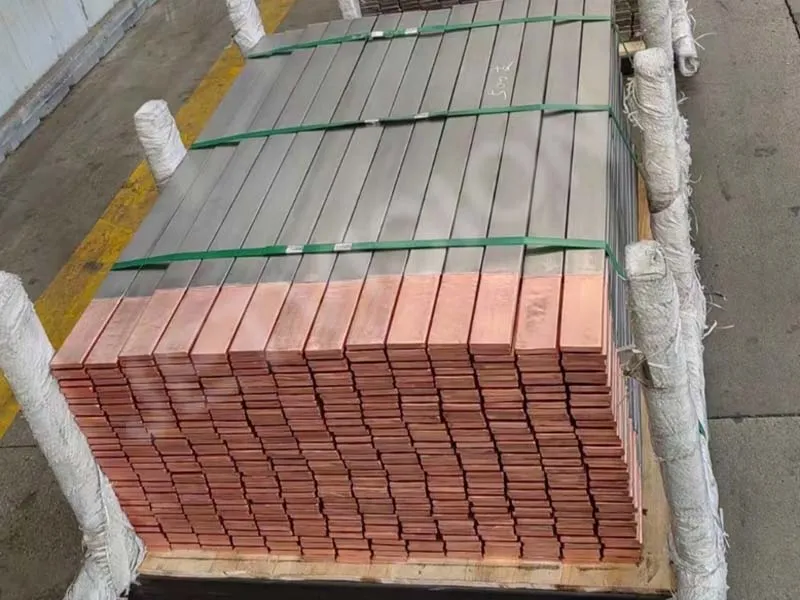
· Anti-oxidation packaging

Ensures excellent conductivity & corrosion resistance.

8. Packing and Shipping
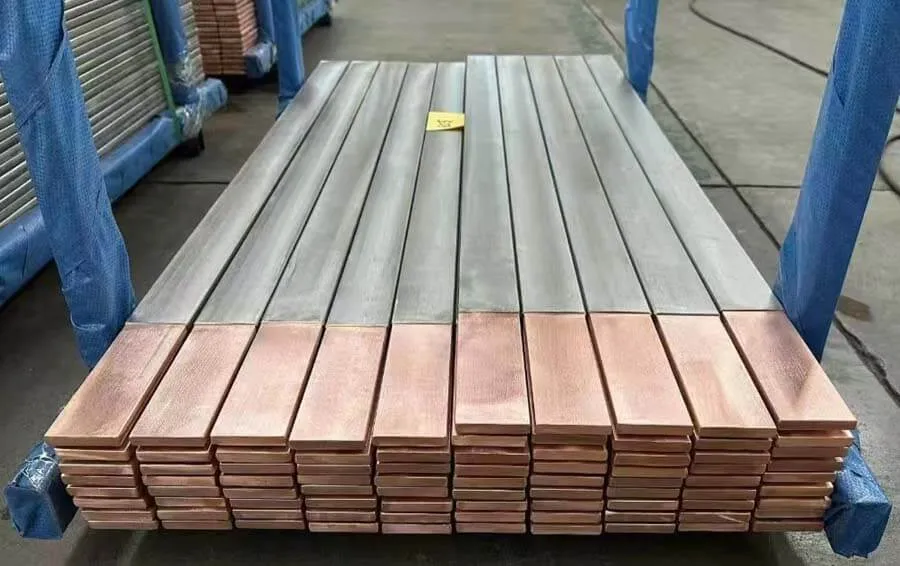
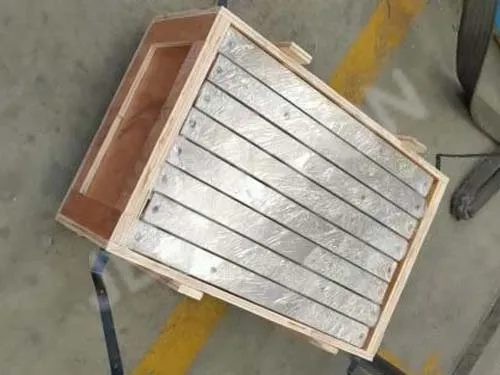
Applications of Gr2 Titanium Clad Copper

Titanium Clad Copper Flat Bars are widely used in industries requiring corrosion resistance + high conductivity:

Electrochemical Industry

· Electrolysis equipment       · Plating lines       · PCB & semiconductor equipment       · Electrochemical reactors       · Electrolytic copper foil production

Power Transmission

· High current busbars       · Transformer connectors       · Electrical conduction parts

Marine & Chemical Equipment

· Desalination plants       · Chlor-alkali equipment       · Acid/alkali processing units

Battery & Renewable Energy

· Lithium battery equipment       · Hydrogen production systems

If you are a plating equipment manufacturer、electrolysis equipment builder、battery factory、chemical plant, this product is specifically suitable for your application.


Titanium Clad Copper for Electrochemical Typical Applications

Shape

Typical Applications

Key Features

Titanium Clad Copper Flat Bar

Anode & Cathode Current Conductors, Busbars, Hanger Bars

Large contact area; suitable for drilling, slotting, bending, welding and other machining

Titanium Clad Copper Round Bar

Electrode Connections, Current Conductors, Hanger Rods, Special Connections

Suitable for hole connections, mechanical connections and customized configurations

Titanium Clad Copper Square / Rectangular Bar

Current Conductors, Electrical Connections, Structural Components, Customized Electrode Assemblies

Flexible cross-sectional dimensions and cladding configurations

FAQ

1. What Is the Recommended Titanium Cladding Thickness for Flat Bar?

The required titanium cladding thickness depends on the electrolyte, operating conditions and service life requirements. Titanium Grade 1 or Grade 2 can be selected according to the corrosion environment. Cladding thickness can be customized based on the application and technical specifications.


2. How Is the Titanium Layer Bonded to the Copper Core?

Titanium Clad Copper Flat Bar is manufactured using a controlled metallurgical cladding process to achieve a reliable bond between the titanium and copper layers. Proper surface preparation, bonding and subsequent processing are important for maintaining interface integrity during electrical and mechanical service.


3. What Is the Electrical Conductivity of Titanium Clad Copper Flat Bar?

The electrical conductivity is mainly provided by the copper core, while the titanium cladding provides corrosion protection. Therefore, the overall electrical performance depends on the copper grade, cross-sectional dimensions, cladding ratio and connection design.


4. Can Titanium Clad Copper Flat Bar Be Welded?

Yes. Welding can be performed when required, but the welding method should be selected according to the titanium and copper layers, joint configuration and application conditions. Customized welded and machined components can be supplied according to customer drawings.


5. How Does Titanium Clad Copper Perform in Electrolytic Cells?

The titanium surface provides corrosion resistance against many electrolytes, while the copper core provides efficient current transmission. This makes Titanium Clad Copper Flat Bar suitable for conductive components in electrolytic cells and other high-current electrochemical equipment.


6. Can Holes and Slots Be Machined in Titanium Clad Copper Flat Bar?

Yes. Drilling, slotting, cutting and other machining operations can be performed according to drawings. Hole diameter, hole spacing, edge distance and machining tolerances can be specified based on the installation requirements.


7. How Is the Bonding Quality of Titanium Clad Copper Tested?

Depending on customer requirements, bonding quality can be evaluated through appropriate non-destructive testing and mechanical or metallurgical inspection methods. Inspection requirements can be agreed according to the product specification and application.


8. Can Titanium Clad Copper Flat Bar Be Used for High Current Applications?

Yes. The copper core is designed to provide efficient electrical current transmission, making the product suitable for high-current electrochemical equipment. The required width, thickness and copper cross-sectional area should be selected according to the operating current and allowable current density.


9. What Tolerances Are Available for Titanium Clad Copper Flat Bar?

Dimensional and cladding tolerances depend on the specified width, thickness, length, manufacturing process and applicable standard. Customized dimensional tolerances can be discussed and confirmed before production.


10. Can Titanium Clad Copper Flat Bar Be Supplied as a Finished Fabricated Component?

Yes. In addition to standard flat bars, we can provide cut-to-length, drilled, slotted, bent and machined titanium clad copper components according to customer drawings and installation requirements.