What are the characteristics and advantages of
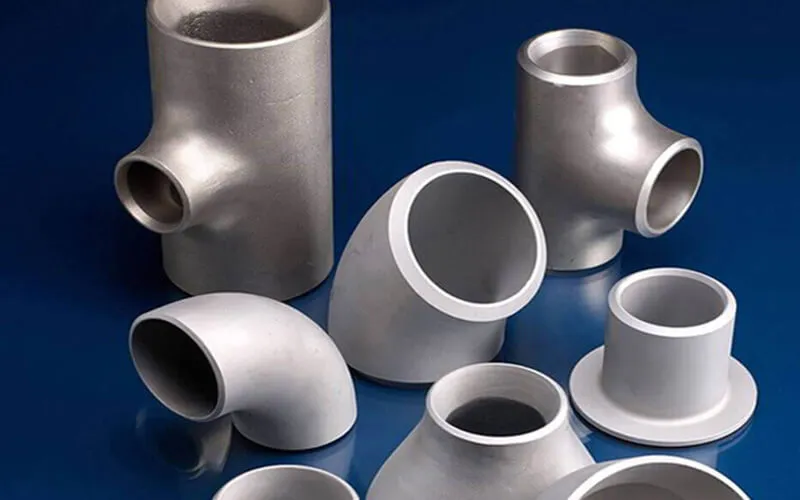
titanium pipe fittings? Where are titanium pipe fittings used?
Titanium in these fittings possesses stable chemical properties and excellent biocompatibility, along with high corrosion resistance and stability. It is a metal that does not adversely affect the human body and does not cause adverse reactions.
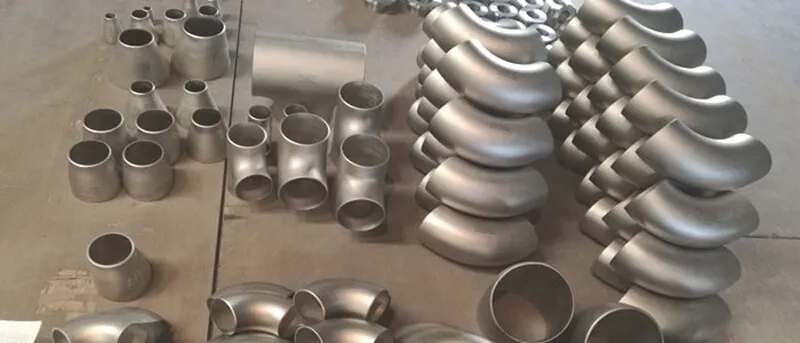
The key characteristics of
titanium pipe fittings are as follows:
1. Corrosion Resistance
Titanium pipe fittings exhibit superior corrosion resistance. Even when operating in humid air or seawater environments, their corrosion resistance significantly outperforms stainless steel. Consequently, users need not worry about service life issues. Titanium pipe fittings demonstrate corrosion resistance 15 times stronger than stainless steel and a service life approximately 10 times longer.
2. Low Temperature Resistance
Titanium pipe fittings maintain their mechanical properties even under cryogenic conditions, demonstrating exceptional low-temperature resilience.
3. High Strength
Titanium alloys typically have a density of approximately 4.51 g/cm³, which is about 60% that of steel. Moreover, titanium pipe fittings exhibit superior strength, far exceeding that of other metallic structural materials.
4. High Thermal Strength
Titanium pipe fittings exhibit high thermal strength, maintaining stability even at 450–500°C for extended periods. Overall, titanium alloys can operate at temperatures below 500°C, whereas aluminum alloys typically have a maximum operating temperature below 200°C.
5. Smooth Surface with Minimal Scaling
Titanium fittings feature low density, lightweight properties, and a smooth surface resistant to scaling. Their use in daily applications significantly reduces scaling coefficients.
Due to these five key characteristics, titanium fittings are extensively utilized in industries such as chemical processing equipment, offshore power generation systems, seawater desalination plants, marine components, and electroplating industries.
 +86-731-82224155
 8613272400394
 enquiry@jetvisiontitanium.com