Copper electrowinning and copper electrorefining are essential processes in modern hydrometallurgical production. In these operations, reliable electrical connections and effective current distribution are critical to the performance of electrolytic cells and associated conductive systems.
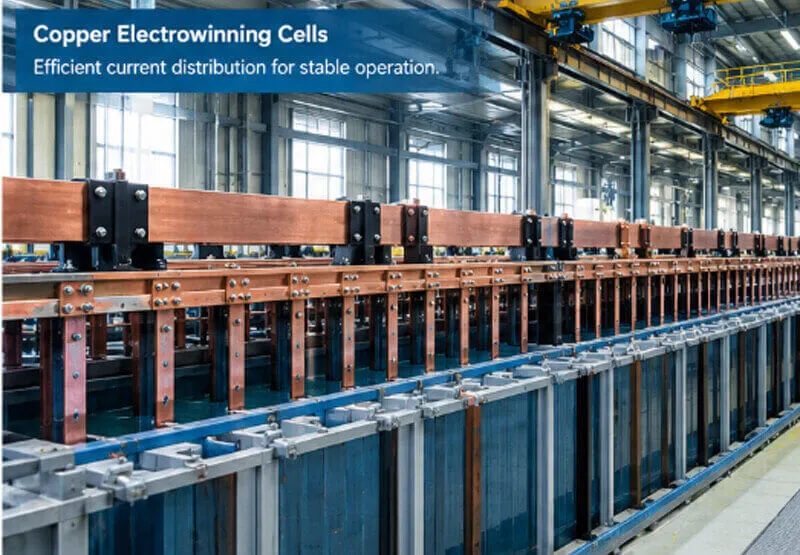
Titanium clad copper busbars combine the electrical conductivity of copper with the corrosion resistance of titanium under suitable operating conditions. This composite structure makes them a potential solution for specialized copper busbar systems used in electrochemical processing environments.
For industrial equipment manufacturers, engineering contractors, and plant operators, selecting the appropriate conductive material involves evaluating electrical performance, corrosion conditions, mechanical requirements, and long-term operational reliability.
Copper Bussing in Electrowinning and Electrorefining Systems
In a Copper Electrowinning Plant or Copper Electrorefining Plant, copper bussing systems distribute electrical current to electrolytic cells and connected components. These systems must accommodate high currents, continuous operating cycles, and the environmental conditions associated with industrial electrolysis.
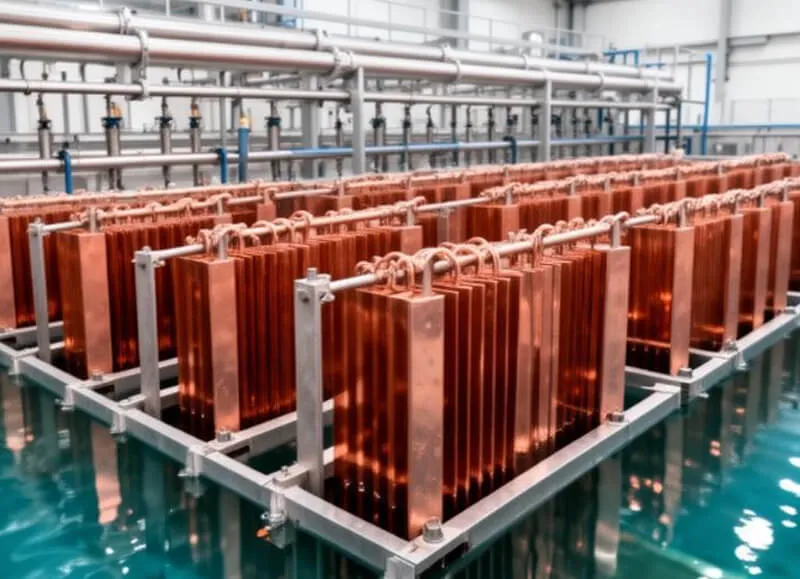
Copper Electrowinning Cells and electrorefining tank houses require carefully designed electrical connections to support consistent current distribution. Depending on the equipment layout, Copper Busbar Systems may incorporate flat busbars, connecting bars, drilled conductive bars, and customized electrical conductors.
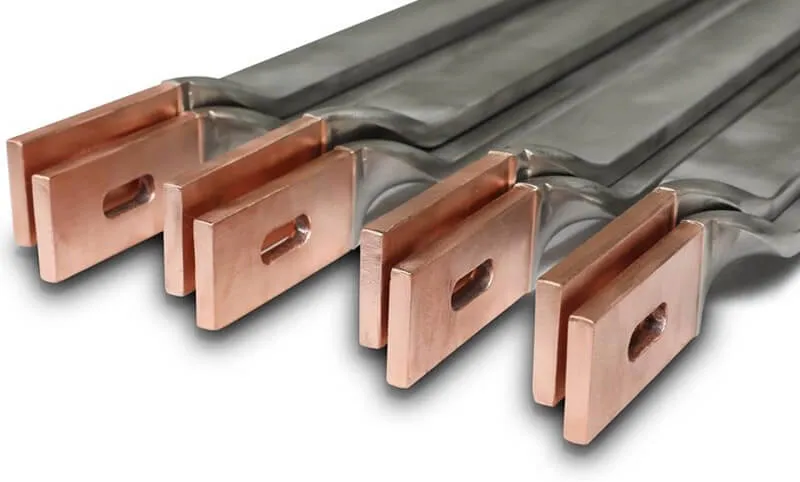
Titanium clad copper busbars feature a copper core bonded to a titanium outer layer. The copper core provides the main conductive path, while the titanium cladding can provide corrosion protection where the material is compatible with the electrolyte, temperature, and operating potential.
Compared with selecting a material based solely on electrical conductivity, composite busbar design requires consideration of the complete operating environment, including contact resistance, connection geometry, and the integrity of the titanium-copper bond.
Applications in Copper Electrowinning Cells and Tank Houses
Titanium clad copper busbars can be evaluated for selected conductive components in copper electrowinning, copper electrorefining, and other electrochemical processing systems.
In Copper Electrowinning Cells, electrical distribution components must be designed around the required operating current, cell configuration, and connection method. In Electrorefining Tank Houses, busbar arrangements must also accommodate equipment layout, electrode handling requirements, and maintenance access.
Relevant applications may include:
- Copper electrowinning and electrorefining busbar systems
- Conductive bars and electrical connecting components
- Corrosion-resistant conductive components for compatible process environments
- Customized busbars for electrochemical equipment
- Replacement components for existing industrial installations
Titanium clad copper products are not intended to replace every component in an electrolysis system. Their suitability should be assessed according to the specific electrical, chemical, and mechanical requirements of each installation.
Titanium Clad Copper Busbar Fabrication and Customization
Different Electrorefining Equipment designs require conductive components with specific dimensions, connection points, and installation geometries. Customized titanium-clad copper busbars can be manufactured to meet project drawings and application requirements.
Depending on the design, fabrication options may include:
- Flat Titanium Clad Copper Bars:Composite bars manufactured to specified widths, thicknesses, and lengths.
- Drilled Titanium Clad Copper Busbars:Bars with accurately positioned holes for bolted connections and equipment assembly.
- Bent Titanium Clad Copper Busbars:Formed components designed to match installation layouts and connection positions.
- CNC Machined Composite Components:Customized conductive parts manufactured to specified geometries and tolerances.
- Cut to Length Busbars: Components prepared to the required dimensions for equipment integration.
These options allow titanium-clad copper products to support different Copper Busbar Systems without requiring every installation to use a standard geometry.
Material selection may involve commercially pure titanium grades and suitable copper grades, depending on the application. Copper core dimensions, titanium cladding thickness, bonding quality, surface finish, and machining tolerances should be confirmed against the technical specification.
Key Engineering Considerations for Titanium Clad Copper Busbars
When specifying titanium clad copper for Copper Electrowinning Cells or Copper Electrorefining Plants, engineers should evaluate several factors.
Electrical conductivity: The copper core provides the principal current carrying path. Cross-sectional dimensions and connection design should be selected according to the operating current and allowable temperature rise.
Corrosion resistance: Titanium cladding can protect the copper surface in suitable environments. Actual performance depends on electrolyte chemistry, temperature, electrical potential, and exposure conditions.
Bond integrity: The titanium and copper layers must maintain a reliable metallurgical bond throughout the intended service conditions. Appropriate inspection and quality-control procedures help verify product consistency.
Connection design: Drilled holes, contact surfaces, and bolted joints should be designed to provide suitable electrical contact and mechanical stability. Machining and finishing requirements should be defined before production.
Dimensional accuracy: Busbar width, thickness, length, hole positions, and bending geometry must meet the requirements of the intended installation.
These considerations help determine whether titanium-clad copper is appropriate for a particular electrochemical application and support reliable integration into industrial electrical systems.
Customized Conductive Solutions for Electrochemical Industries
Titanium clad copper busbars provide a specialized option for applications requiring the combined properties of copper conductivity and titanium surface protection. Their potential use in copper electrowinning, copper electrorefining, and other compatible electrochemical environments depends on the actual operating conditions and engineering design.
From flat composite bars and drilled busbars to bent bars and CNC-machined components, customized titanium-clad copper products can be manufactured according to project drawings and specified technical requirements.
For equipment manufacturers, engineering contractors, and industrial procurement teams, early confirmation of material grades, dimensions, cladding thickness, bonding requirements, and connection details helps ensure that the selected component meets the intended application.
Contact us to discuss customized titanium clad copper busbars for copper electrowinning, copper electrorefining, and industrial electrochemical systems. We can review your drawings, dimensions, drilled-hole configurations, and fabrication requirements to determine a suitable product specification.
 +86-731-82224155
 8613272400394
 enquiry@jetvisiontitanium.com