Electrolytic metal recovery is widely used in hydrometallurgy, electrowinning, electrorefining, PCB manufacturing, electroplating and industrial wastewater treatment. These processes rely on controlled electrical current to recover valuable metals from aqueous solutions, making electrical conductivity, corrosion resistance and reliable connections important considerations in electrolytic system design.
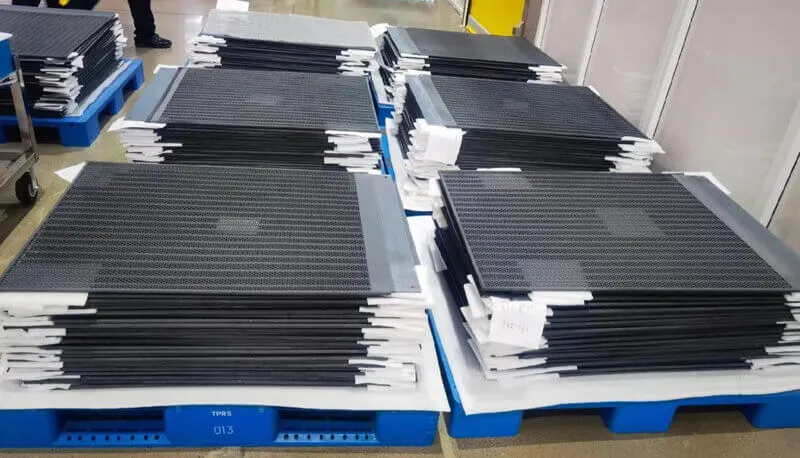
Titanium clad copper is a composite material that combines the electrical conductivity of copper with the corrosion resistance of a titanium outer layer. For selected industrial electrolysis systems, titanium clad copper components can provide a practical solution where both efficient current transfer and resistance to corrosive environments are required.
Depending on the equipment design, titanium clad copper may be used for conductive bars, electrical connections and other customized conductive components. Material selection, cladding thickness, bonding quality and fabrication requirements should be evaluated according to the actual operating conditions.
What Is Electrolytic Metal Recovery?
Electrolytic metal recovery is an electrochemical process used to extract or recover metals from solutions containing dissolved metal ions. When direct current passes through an electrolytic cell, metal ions can be reduced and deposited on the cathode, while the anode supports the corresponding oxidation reaction.
The process is widely applied in the recovery of non-ferrous metals and the treatment of metal-containing industrial solutions.
Typical applications include:
· Copper electrowinning and copper recovery
· Zinc electrowinning
· Nickel and cobalt recovery
· Metal recovery from PCB etching solutions
· Electroplating solution recovery
· Hydrometallurgical metal extraction
· Industrial wastewater treatment
· Electrolytic refining of selected metals
These processes operate under different chemical and electrical conditions. Depending on the application, equipment may be exposed to acidic electrolytes, elevated temperatures, high current loads and corrosive process environments.
Consequently, the materials used for conductive components, connections and supporting structures must be selected carefully to ensure reliable electrical performance and suitable service life.
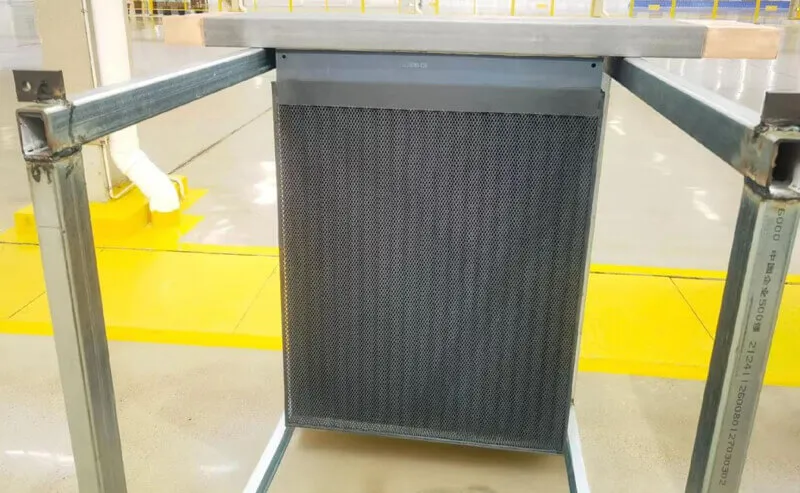
Why Material Selection Matters in Electrolytic Systems
Electrical conductivity and corrosion resistance are two important factors in the design of industrial electrolysis equipment.
Copper offers excellent electrical conductivity and is widely used in busbars and current-carrying components. However, exposed copper may be unsuitable for direct contact with certain corrosive electrolytes because chemical attack can lead to deterioration and contamination.
Titanium offers excellent corrosion resistance in many industrial environments, particularly those where its stable passive surface is beneficial. However, its electrical conductivity is substantially lower than that of copper.
Titanium clad copper combines these complementary properties through a metallurgically bonded composite structure.
The copper core provides an efficient pathway for electrical current, while the titanium cladding protects the covered surfaces in suitable service environments.
This combination can be advantageous for selected electrolytic applications where conventional copper components require additional corrosion protection without sacrificing the benefits of copper's conductivity.
The suitability of titanium clad copper depends on the electrolyte chemistry, temperature, mechanical loading, connection design and exposure conditions. It should therefore be evaluated for the specific application rather than treated as a universal solution for every electrolytic cell.
How Titanium Clad Copper Supports Electrolytic Metal Recovery
High Electrical Conductivity
Copper has excellent electrical conductivity, making it suitable for current-carrying components in industrial electrolysis systems.
In titanium clad copper, the copper core carries the electrical current, helping maintain an efficient conductive path when the component is correctly designed and installed.
This is particularly relevant to systems with substantial current requirements, where conductor dimensions, connection resistance and current distribution influence overall electrical performance.
Corrosion Protection
The titanium cladding provides a corrosion-resistant outer surface in environments compatible with the selected titanium grade.
Compared with an exposed copper surface, a properly manufactured titanium-clad component can reduce direct contact between copper and the surrounding environment.
The protective effect depends on cladding integrity, exposed edges, drilled holes, machined surfaces, joints and electrical connection points. These areas should be considered during component design and fabrication.
Metallurgical Bonding
Bonding quality is essential to the performance of titanium clad copper.
The titanium layer and copper core must remain adequately bonded during fabrication, installation and service. Depending on the manufacturing process and product specification, suitable bonding methods may include explosive bonding or hot-roll bonding.
A sound metallurgical bond helps the composite component function as an integrated material rather than as two loosely connected layers.
For industrial buyers, bonding quality, dimensional accuracy and the condition of finished surfaces are important considerations when evaluating a titanium copper composite supplier.
Customized Conductive Structures
Electrolytic cells differ in dimensions, electrical loads, installation methods and connection arrangements. Standard conductive products may not always match the requirements of a specific system.
Titanium clad copper can be manufactured into customized flat bars, plates and other composite components according to engineering drawings, subject to the capabilities of the selected manufacturing process.
Dimensions, titanium cladding thickness, copper grade, drilling, machining and connection details can be specified according to the intended application.
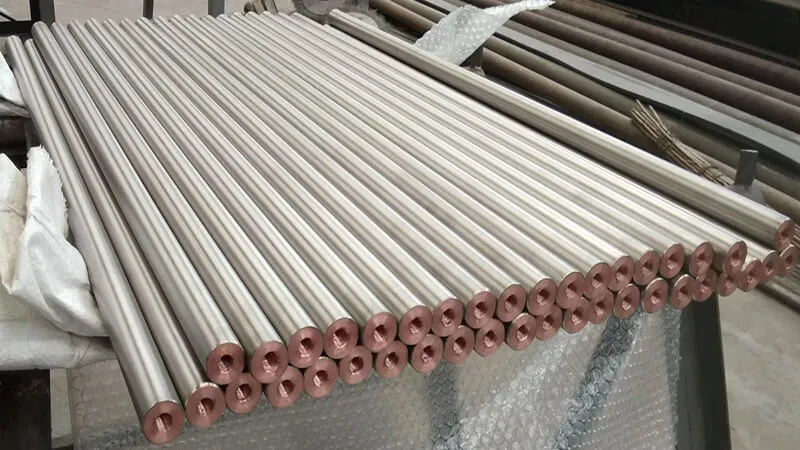
The suitability of titanium clad copper varies with the equipment design and the function of each component. The following applications should be assessed according to the required electrical and corrosion performance.
Copper Electrowinning and Metal Recovery
Copper electrowinning uses electrical current to recover copper from process solutions. Conductive components must support reliable current transfer throughout the electrolytic circuit.
Titanium clad copper may be considered for selected conductive bars, current-transfer components and connections where the combination of copper conductivity and titanium surface protection meets the design requirements.
The exact component location is important. A conductive busbar outside the electrolyte has different exposure conditions from an electrode operating directly inside the cell.
Zinc, Nickel and Cobalt Electrowinning
Zinc, nickel and cobalt recovery processes involve different electrolyte compositions and operating conditions.
In these systems, conductive components may be exposed to humidity, chemical vapors, splashes or direct electrolyte contact, depending on their location.
Titanium clad copper can be evaluated for suitable conductive components where corrosion protection is needed alongside electrical conductivity. The appropriate design must account for the actual chemicals, temperature, current load and installation environment.
The use of titanium clad copper should not be confused with the selection of the active anode material, which must be designed separately for the required electrochemical reaction.
PCB Etching Solution Recovery
PCB manufacturing and recycling can generate copper-containing etching solutions that may be treated through suitable recovery processes.
Electrical connections and conductive components in these systems must be compatible with the chemical environment and electrical operating requirements.
Customized titanium clad copper components may be considered where the titanium-covered surface and copper conductive core offer the required combination of properties.
For these applications, the etching chemistry, chloride concentration, temperature and possibility of direct electrolyte contact should be reviewed before selecting the composite material.
Electroplating and Industrial Wastewater Treatment
Electroplating facilities and industrial wastewater treatment systems may use electrochemical processes to recover dissolved metals or reduce the metal content of process streams.
The equipment can contain a range of conductive components, including busbars, connectors and customized current-transfer parts.
Titanium clad copper may be suitable for selected components when its material properties match the chemical exposure and electrical requirements. Final selection should also consider the connection method, exposed copper edges and the need for electrical insulation or protective measures.
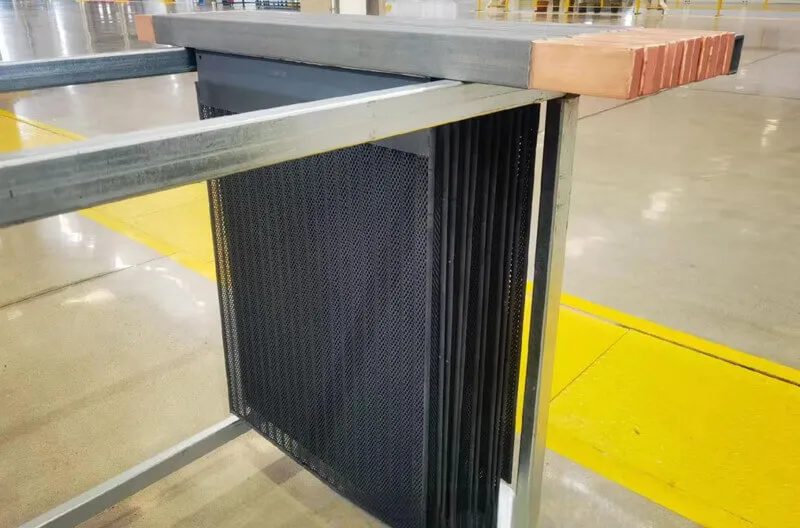
Titanium Clad Copper vs. MMO Titanium Anodes
Titanium clad copper and MMO titanium anodes are both associated with industrial electrochemical equipment, but they perform different functions.
Understanding this distinction is important when selecting materials for electrolytic metal recovery.
Titanium clad copper consists of a copper core metallurgically bonded to a titanium cladding layer. Its primary material advantage is the combination of copper's high electrical conductivity and titanium's corrosion resistance in suitable environments. It is used for selected conductive components and connections.
MMO titanium anodes generally consist of a titanium substrate coated with a mixed metal oxide electrocatalytic layer. The coating is designed to support a specified anodic reaction, such as oxygen evolution or chlorine evolution, depending on the coating composition and operating environment.
The two products should not be treated as interchangeable. Titanium clad copper is not automatically an active anode, and its titanium cladding does not provide the same electrocatalytic function as an MMO coating.
In an electrolysis system, the appropriate materials must be selected according to the function of each component, the electrolyte chemistry and the intended electrochemical reaction.
How to Select Titanium Clad Copper for Electrolysis Equipment
Selecting the right titanium clad copper component requires more than specifying its overall dimensions. Engineering and procurement teams should consider the following parameters before placing an order.
Copper grade
The copper core should provide the required electrical conductivity and mechanical properties. Grades such as C11000 or T2 copper may be considered according to the applicable material standard and project requirements.
Titanium grade
The titanium cladding grade should be selected according to the corrosion environment, fabrication requirements and applicable material specifications. Commercially pure titanium grades, including Grade 1 and Grade 2, may be considered for suitable applications.
Cladding thickness
Titanium layer thickness affects the composite structure, fabrication requirements and available machining allowance. The specified thickness should be based on the operating environment and component design.
Electrical load and dimensions
Current, conductor cross-section, component length and connection design influence electrical performance. These parameters should be reviewed together rather than selecting a product by dimensions alone.
Bonding quality
The integrity of the titanium-to-copper bond is essential. Manufacturing controls and appropriate inspection requirements should be agreed upon according to the application and relevant specifications.
Fabrication and connection details
Drilling, cutting, machining, welding and other fabrication operations can expose the copper core. Finished edges and connection areas must be designed and protected appropriately for the intended service conditions.
Operating environment
Electrolyte composition, acidity, chloride concentration, temperature, humidity and direct chemical exposure should all be considered. Particular attention should be paid to areas where the titanium cladding is interrupted.
Providing these details helps the manufacturer assess material suitability and recommend a practical product configuration.
Customized Titanium Clad Copper for Industrial Applications
Titanium clad copper products can be tailored to meet the dimensional and fabrication requirements of industrial equipment manufacturers, engineering contractors and end users.
Depending on the project, customized products may include:
· Titanium clad copper flat bars
· Titanium clad copper plates
· Drilled and machined titanium copper components
· Customized conductive bars and connectors
· Composite components manufactured according to customer drawings
Manufacturing requirements may include copper and titanium material specifications, overall dimensions, cladding thickness, bonding requirements, surface finish, machining tolerances and inspection documentation.
Before production, the intended operating conditions and finished component geometry should be reviewed to ensure that machining and connection details are compatible with the composite structure.
For critical electrochemical applications, buyers should also specify any requirements for dimensional inspection, material traceability, bonding-quality evaluation and electrical performance verification.
Electrolytic metal recovery places demanding requirements on electrical conductivity, corrosion resistance and component reliability. Titanium clad copper offers a combination of copper's excellent electrical conductivity and titanium's corrosion-resistant surface, making it a potential material solution for selected conductive components in industrial electrolysis equipment.
Its suitability depends on the specific process, electrolyte composition, operating temperature, current load, component location and fabrication details.
For engineering teams and procurement professionals, selecting titanium clad copper according to actual service conditions can help achieve a better balance between electrical performance, corrosion protection and component requirements.
JETVISION supplies customized titanium clad copper parts for industrial applications. Customers can provide drawings, dimensions, titanium and copper material requirements, cladding thickness and operating conditions to support technical evaluation and product quotation.
 +86-731-82224155
 8613272400394
 enquiry@jetvisiontitanium.com