Why Stress Relief Annealing is Required for Titanium U Bend Tubes - Ensuring Quality and Reliability in Heat Exchanger Applications?
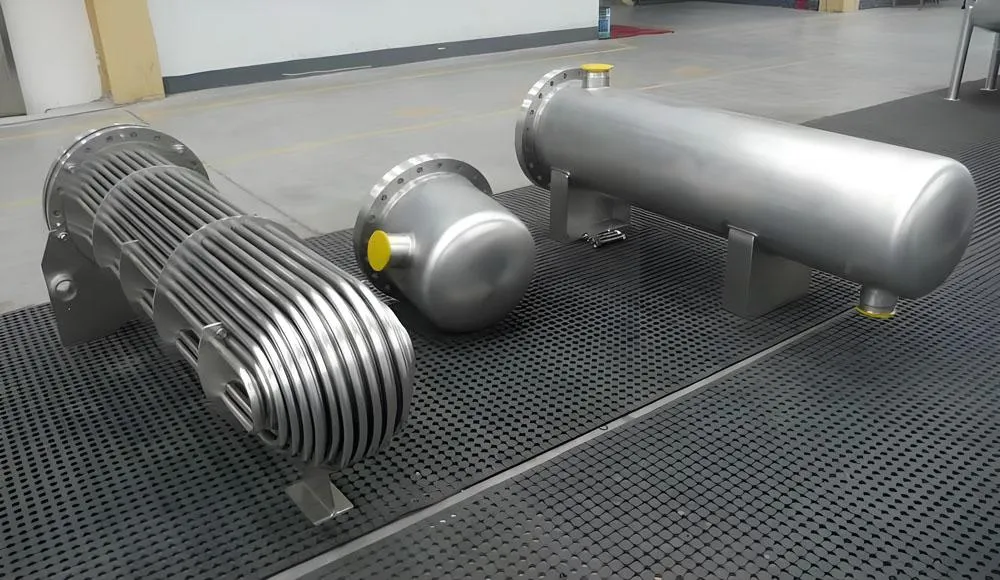
In the manufacturing of titanium heat exchanger tubes, the U-bending process is a critical forming step. However, bending introduces significant residual stresses that may affect long term performance.
To ensure product reliability and meet stringent industry standards, stress relief annealing is essential after U-bending.
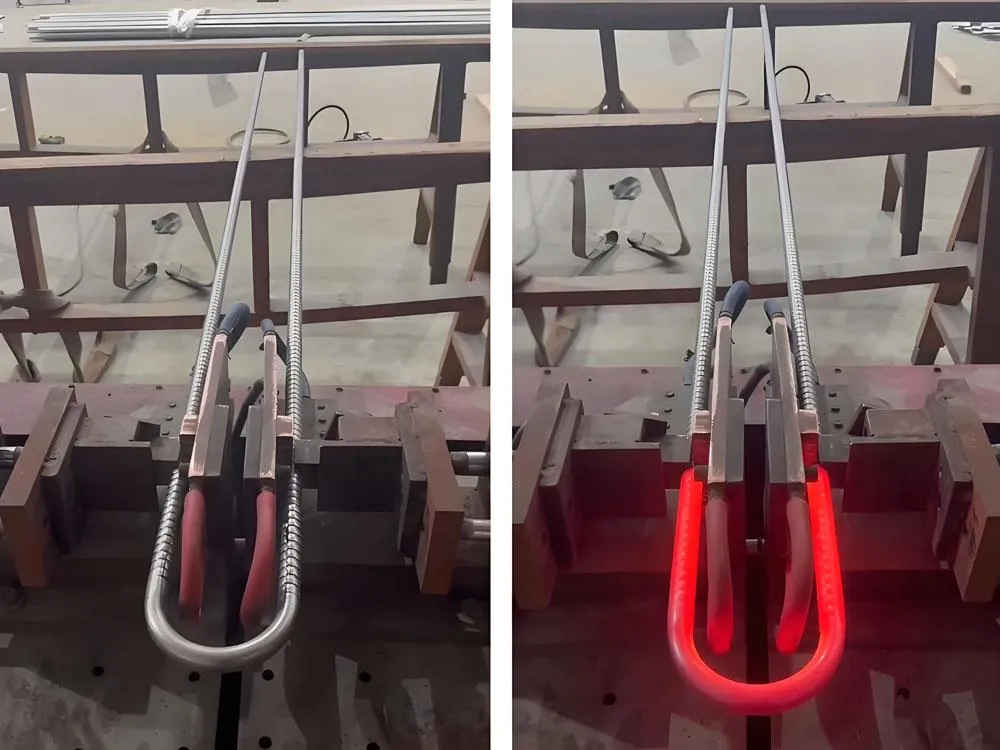
Residual Stress After Bending
During the U bending process:
· The outer radius is subjected to tensile deformation
· The inner radius undergoes compressive deformation
· The material experiences plastic strain and work hardening
This results in non-uniform residual stress distribution, especially concentrated in the U-bend area.
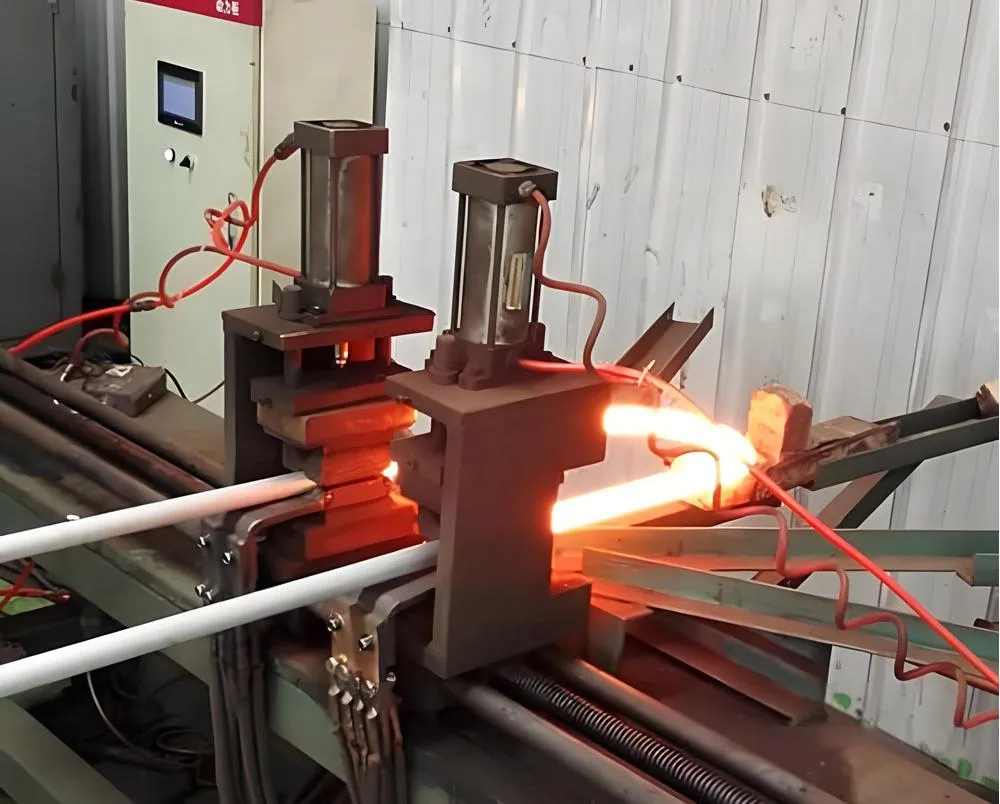
Risks Without Stress Relief Annealing
If residual stress is not properly relieved, the following risks may occur:
1. Stress Corrosion Cracking (SCC)
Titanium materials may be susceptible to
Stress Corrosion Cracking
under combined conditions of stress, temperature, and corrosive media.
This is particularly critical in:
· Seawater environments
· Chloride containing systems
· Heat exchanger service
2. Reduced Mechanical Stability
Work hardening leads to reduced ductility
Uneven mechanical properties across the bend
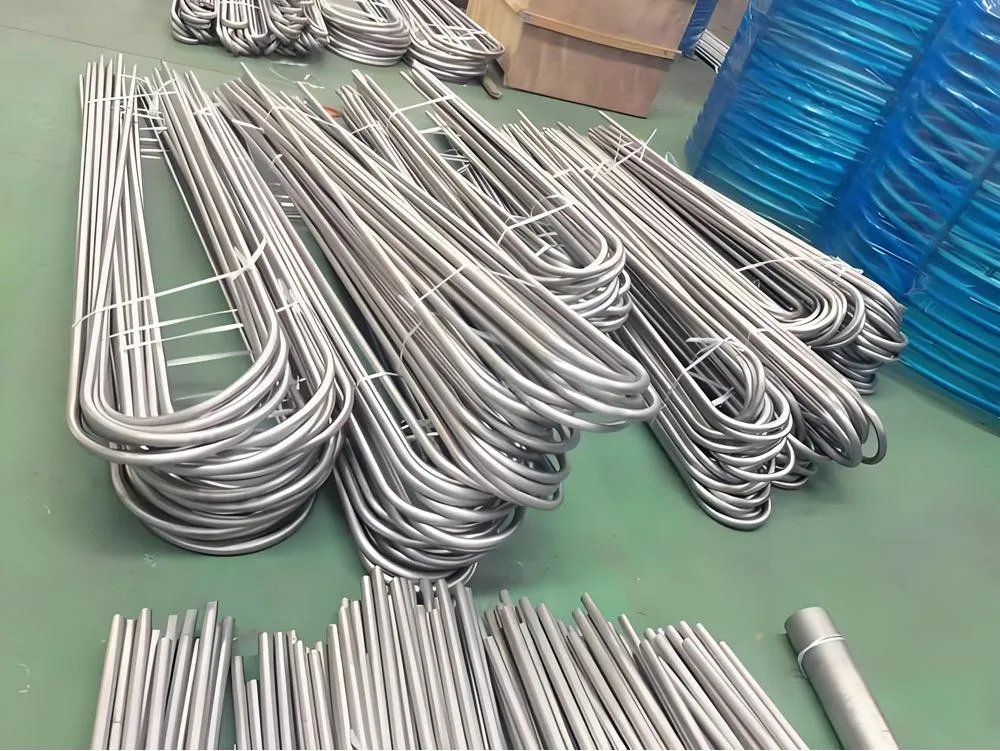
3. Dimensional Instability
Springback after bending
Possible deformation during service
4. Inspection Challenges
Residual stress and microstructural changes may affect:
· Eddy current testing (ECT)
· Ultrasonic testing (UT)
· Function of Stress Relief Annealing
Stress relief annealing is performed to:
· Reduce residual stresses induced by cold forming
· Restore ductility and material uniformity
· Improve resistance to cracking and corrosion
· Ensure dimensional stability
Unlike full annealing, stress relief heat treatment is controlled to avoid excessive grain growth while maintaining mechanical properties.
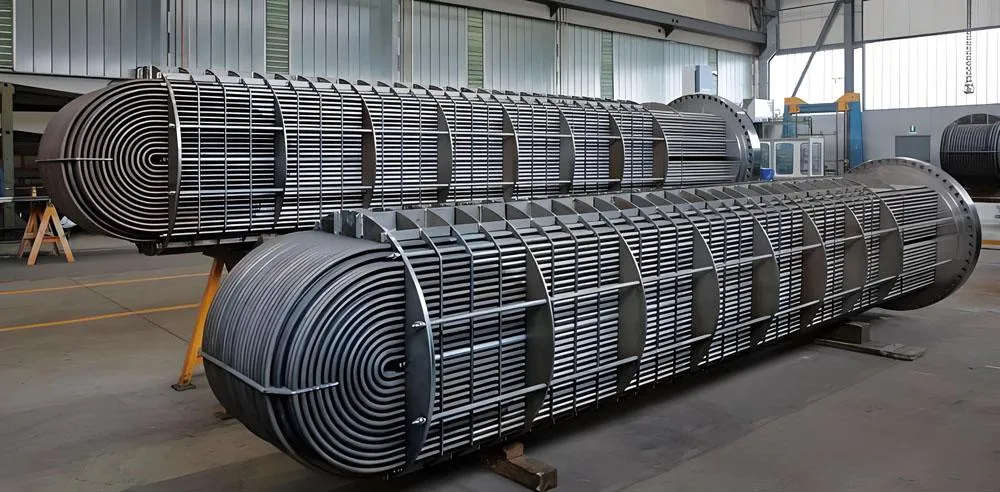
Critical Area: U Bend Section
The U-bend is the most critical zone in titanium tubes:
· Highest stress concentration
· Maximum deformation
· Most common failure location
Therefore, stress relief annealing of the U bend area is widely required by international standards and end users.
Our Quality Control Approach
To ensure high-quality titanium U tubes, we implement:
· Controlled U bending process
· Stress relief annealing after bending
· Strict temperature and time control
· Full traceability of heat treatment records
· Non-destructive testing (UT, ECT)
Our titanium U tubes are suitable for demanding applications such as: Heat exchangers, Condensers, Seawater cooling systems,Conclusion
Stress relief annealing is a critical process in titanium U bend tube manufacturing. It ensures:
· Long-term service reliability
· Improved corrosion resistance
· Reduced risk of cracking
Quality is not only in materials, but also in process control.
 +86-731-82224155
 8613272400394
 enquiry@jetvisiontitanium.com