As the hydrometallurgical industry continues to develop, electrolytic equipment needs to operate reliably in highly corrosive environments while maintaining efficient electrical conductivity. Titanium clad copper has become a practical material solution for electrolytic applications because it combines the corrosion resistance of titanium with the excellent electrical conductivity of copper.
Hydrometallurgical processes such as electrowinning and electrorefining typically involve acidic electrolytes, high current densities, and continuous operation. Under these conditions, selecting the right conductive material is essential for maintaining stable current transmission and extending equipment service life.
Why Use Titanium Clad Copper in Hydrometallurgy?
Pure copper provides excellent electrical conductivity but may be vulnerable to corrosion when exposed to aggressive electrolytes. Solid titanium offers excellent corrosion resistance, but its electrical conductivity is much lower than that of copper.
Titanium clad copper combines the advantages of both materials. The titanium layer provides protection against the surrounding corrosive environment, while the copper core provides an efficient path for electrical current.
The main advantages include:
· Excellent corrosion resistance in aggressive electrolytes
· High electrical conductivity with low electrical resistance
· Stable current transmission during continuous operation
· Strong metallurgical bonding between titanium and copper
· Good mechanical strength and dimensional stability
· Long service life with reduced maintenance requirements
· Lower replacement frequency and lifecycle costs
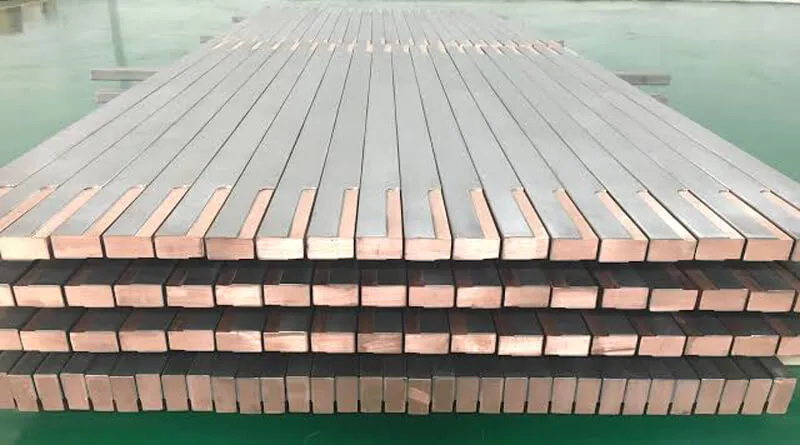
Typical Applications of Titanium Clad Copper
Titanium clad copper components are widely used in hydrometallurgical plants and other electrolytic systems where electrical conductivity and corrosion resistance are required at the same time.
Electrowinning Systems
Electrowinning (EW)is one of the major applications of titanium clad copper. In electrowinning cells, electrical current is continuously supplied to recover metals from an electrolyte solution.
Titanium clad copper busbars and conductive components can provide efficient current transmission while the titanium outer layer helps protect the copper core from the corrosive electrolyte environment.
Electrorefining Cells
Electrorefining is another important electrolytic process used to produce high-purity metals. Conductive components in electrorefining equipment need to withstand continuous electrical loads and exposure to electrolytes.
Titanium clad copper can provide the required combination of conductivity and corrosion resistance for current-carrying components used in these systems.
Anode Hanger Bars
Anode hanger bars support electrodes and conduct electrical current within electrolytic cells. Titanium clad copper can be manufactured into customized hanger bars according to the required dimensions, copper grade, titanium thickness, and connection configuration.
Cathode Busbars
Cathode busbars are used to distribute electrical current throughout electrolytic cells. High electrical conductivity is important because unnecessary electrical resistance can increase voltage loss and energy consumption.
With a highly conductive copper core and a corrosion-resistant titanium surface, titanium clad copper can provide reliable electrical performance in demanding electrolytic environments.
Electrical Connectors and Current Distribution Components
Titanium clad copper can also be used for electrical connectors, conductive bars, and other current distribution components. These components can be manufactured in different configurations according to the design and installation requirements of the equipment.
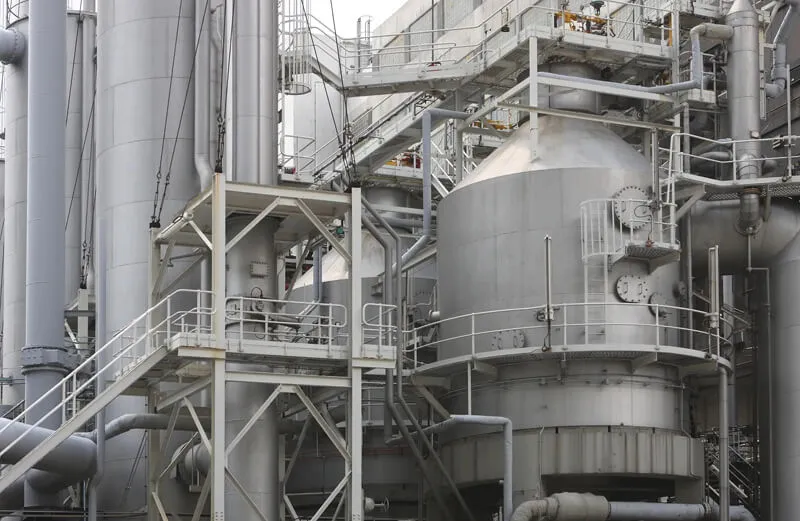
Benefits of Titanium Clad Copper for Hydrometallurgical Plants
Compared with pure copper or solid titanium, titanium clad copper provides a balanced combination of electrical, corrosion-resistant, and mechanical properties.
Corrosion Resistance
The titanium outer layer helps protect the copper core from corrosive electrolytes, which can contribute to longer component service life in demanding hydrometallurgical environments.
High Electrical Conductivity
The copper core provides much higher electrical conductivity than titanium, allowing efficient current transmission and helping reduce unnecessary electrical losses.
Reliable Long-Term Performance
The combination of titanium and copper allows the material to maintain both corrosion resistance and electrical conductivity during continuous operation.
Reduced Maintenance
Longer service life can reduce the frequency of component replacement and help minimize maintenance requirements and production downtime.
Lower Lifecycle Cost
By combining corrosion resistance with high electrical conductivity, titanium clad copper can help reduce replacement, maintenance, and energy-related costs over the operating life of electrolytic equipment.
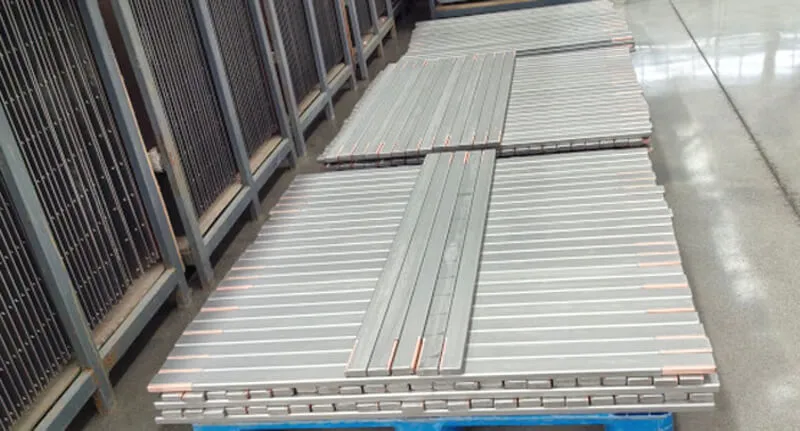
Custom Titanium Clad Copper Solutions
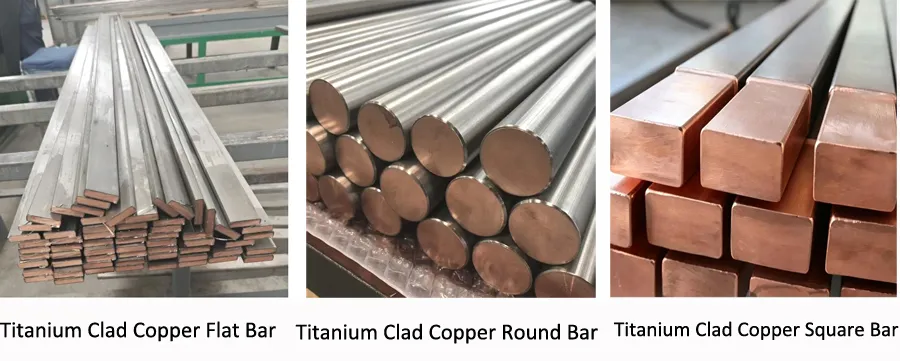
Titanium clad copper can be supplied in different shapes and configurations to meet specific equipment requirements. Common forms include:
· Round bars
· Flat bars
· Square bars
· Busbars
· Bent bars
· Customized profiles
Dimensions, titanium thickness, copper grade, cross-sectional shape, and machining requirements can be customized according to customer specifications and applicable industry standards.
Depending on the application, titanium clad copper can also be processed bycutting, drilling, bending, machining, and weldingto meet specific installation and fabrication requirements.
Selecting Titanium Clad Copper for Electrolytic Applications
When selecting titanium clad copper for hydrometallurgical equipment, several factors should be considered, including the electrolyte composition, operating conditions, current density, required conductivity, titanium thickness, copper grade, component dimensions, and connection method.
Choosing the appropriate material configuration can help ensure reliable current transmission and sufficient corrosion resistance throughout the expected service life of the equipment.
Titanium clad copper combines thehigh electrical conductivity of copper with the corrosion resistance of titanium, making it a suitable conductive material for demanding hydrometallurgical applications.
Fromelectrowinning and electrorefining cells to anode hanger bars, cathode busbars, electrical connectors, and current distribution components, titanium clad copper can provide reliable electrical performance and long-term durability in corrosive environments.
As hydrometallurgical operations continue to pursue greater efficiency and longer equipment service life, titanium clad copper remains a valuable material option for modern electrolytic systems.
For customized titanium clad copper bars, busbars, and conductive components, dimensions, titanium thickness, copper grade, and configuration can be tailored to meet specific application requirements.
 +86-731-82224155
 8613272400394
 enquiry@jetvisiontitanium.com