Titanium clad copper busbars combine the excellent electrical conductivity of copper with the outstanding corrosion resistance of titanium. They are widely used in electrolysis, electroplating, hydrometallurgy, chlor-alkali production, PCB manufacturing, and other highly corrosive industrial environments.
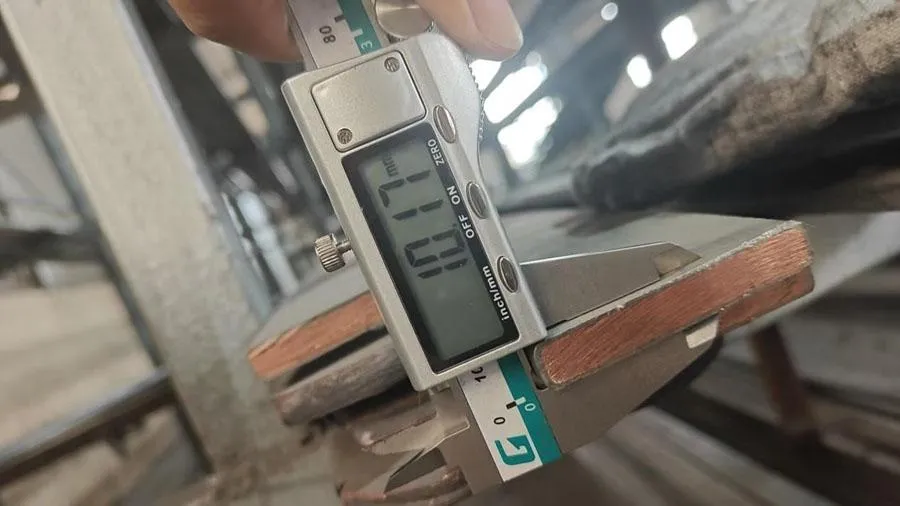
One of the most common questions from engineers and procurement teams is:
What is the typical titanium thickness for titanium clad copper busbars?
Common Titanium Thickness Range
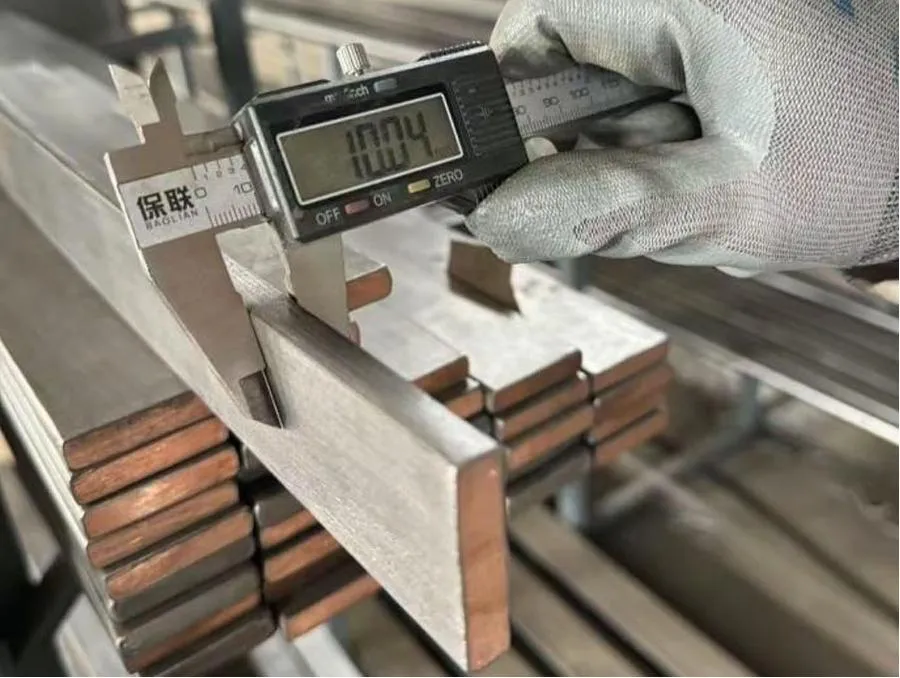
For many industrial applications, titanium cladding thicknesses in the range of approximately 0.8 mm to 2.0 mmare commonly considered. However, there is no single titanium thickness suitable for every application. The optimal thickness should be determined according to the operating environment, corrosion conditions, fabrication requirements, and expected service life.
Typical configurations may include:
· 0.8 mm titanium cladding + copper core
· 1.0 mm titanium cladding + copper core
· 1.5 mm titanium cladding + copper core
· 2.0 mm titanium cladding + copper core
The required titanium thickness can vary depending on factors such aselectrolyte composition, current density, operating temperature, corrosion severity, service life requirements, and fabrication processessuch as bending, drilling, and welding.
How to Select the Right Titanium Thickness?
0.8–1.0 mm Titanium Layer
A thinner titanium cladding layer may be considered for applications where corrosion protection, material cost, weight, and fabrication requirements need to be balanced.
Typical applications may include:
· Electroplating equipment · PCB production lines · General electrochemical equipment · Other applications with moderate corrosion requirements
Potential advantages include:
· Lower material consumption and cost · Good corrosion resistance for suitable service conditions · Easier machining and forming · Suitable for applications where extreme corrosion resistance is not required
1.5–2.0 mm Titanium Layer
A thicker titanium cladding layer may be preferred for more demanding operating conditions where additional corrosion protection and service-life margin are required.
Potential applications include:
· Copper electrowinning · Zinc electrowinning · Chlor-alkali equipment · Hydrometallurgical equipment · Highly corrosive electrolyte environments
Potential advantages include:
· Greater corrosion protection · Improved resistance to wear and fabrication-related damage · Longer potential service life under demanding conditions
· Additional protection for applications involving bending, drilling, welding, or other fabrication processes
These thickness ranges are provided as general engineering references rather than fixed industry rules. The appropriate titanium thickness should always be evaluated according to the actual operating conditions and fabrication requirements.
Why Use Titanium Clad Copper Instead of Pure Titanium Busbars?
Titanium offers excellent corrosion resistance, but its electrical conductivity is much lower than that of copper. Using pure titanium for current-carrying busbars can therefore result in higher electrical resistance and potentially greater voltage drop and energy losses.
Titanium clad copper busbars solve this problem by combining two materials with complementary properties:
· Copper core: Excellent electrical conductivity and efficient current transfer
· Titanium cladding: Excellent corrosion resistance in demanding chemical and electrochemical environments
This combination provides an effective balance of:
· High electrical conductivity
· Excellent corrosion resistance
· Reduced electrical losses
· Long service life
· Reliable performance in corrosive environments
For this reason, titanium clad copper has become an important material solution for electrochemical and electrolytic applications where both electrical performance and corrosion resistance are critical.
Custom Titanium Clad Copper Busbars
Titanium clad copper busbars can be manufactured in different dimensions, shapes, and configurations according to specific application requirements.
Common configurations include:
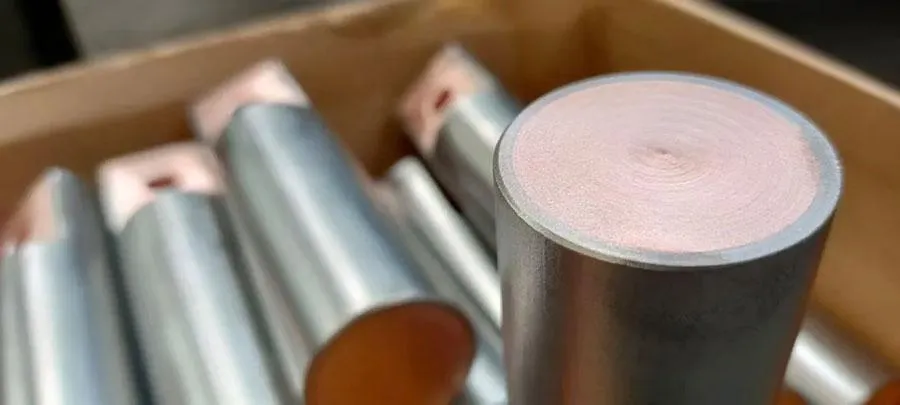
· Flat titanium clad copper busbars
· Round titanium clad copper rods
· Titanium clad copper square bars
· Drilled titanium clad copper busbars
· Bent titanium clad copper busbars
· Welded titanium clad copper assemblies
Titanium grades such as Grade 1 and Grade 2 can be selected according to the required corrosion resistance and fabrication conditions. The copper core can also be customized based on electrical conductivity, current-carrying capacity, mechanical requirements, and overall busbar dimensions.
Depending on the application, customization can include:
· Titanium cladding thickness · Copper core dimensions · Overall busbar size · Drilled holes and slots
· Bending and forming · Welding and fabrication · Surface finishing
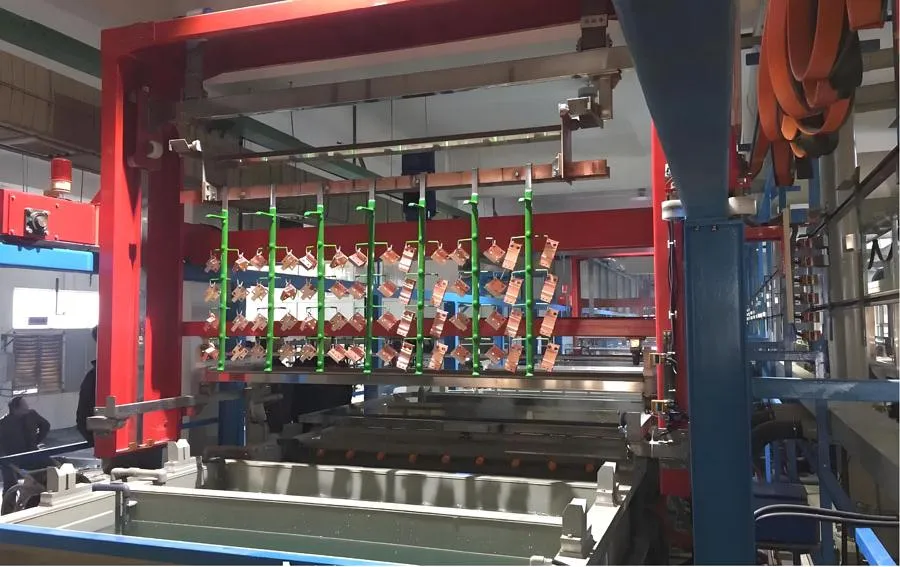
How to Determine the Right Titanium Thickness?
Selecting the correct titanium cladding thickness is not simply a matter of choosing the thickest available option. A suitable design should balancecorrosion resistance, electrical performance, fabrication requirements, service life, and material cost.
When selecting a titanium clad copper busbar, engineers should consider:
· Electrolyte composition - Different chemical environments require different levels of corrosion protection.
· Current density - The copper core must provide sufficient electrical conductivity for the required current.
· Operating temperature - Temperature can influence corrosion behavior and material performance.
· Fabrication requirements - Bending, drilling, welding, and other processes may affect the required cladding thickness.
· Expected service life - Long-term applications may require additional corrosion protection.
· Busbar dimensions and design - The copper core and titanium cladding should be designed together to meet both electrical and mechanical requirements.
If you are unsure which titanium thickness is suitable for your project, the best approach is to evaluate the actual operating conditions and select the cladding thickness based on the required performance and service life rather than relying on a standard thickness alone.
Custom Titanium Clad Copper Solutions
For industrial projects requiring both high electrical conductivity and corrosion resistance, titanium clad copper provides a practical alternative to using copper or titanium alone.
Titanium clad copper busbars can be customized inmaterial grade, titanium thickness, copper core size, shape, drilling, bending, welding, and other fabrication requirementsto meet specific application needs.
If you are looking for a suitable titanium clad copper busbar for electrolysis, electroplating, electrowinning, chlor-alkali, PCB manufacturing, or other corrosive environments, our engineering team can recommend a cost-effective configuration based on youroperating conditions, electrical requirements, fabrication process, and expected service life.
 +86-731-82224155
 8613272400394
 enquiry@jetvisiontitanium.com