As global demand for copper continues to rise due to renewable energy projects, electric vehicles, energy storage systems, and power infrastructure development, copper producers face increasing pressure to improve production efficiency while reducing operating costs. In modern hydrometallurgical operations, electrical efficiency and corrosion resistance are two critical factors that directly impact plant performance.
Copper electrowinning and electrorefining facilities operate in highly corrosive electrolyte environments where conductive components must continuously carry high electrical currents while resisting chemical attack. Under such demanding conditions, traditional conductive materials often struggle to provide the ideal balance between conductivity, durability, and maintenance requirements.
Titanium clad copper busbars have emerged as one of the most effective solutions for modern electrolysis systems. By combining the exceptional conductivity of copper with the outstanding corrosion resistance of titanium, titanium clad copper offers reliable long-term performance and has become an essential component in many copper production facilities worldwide.
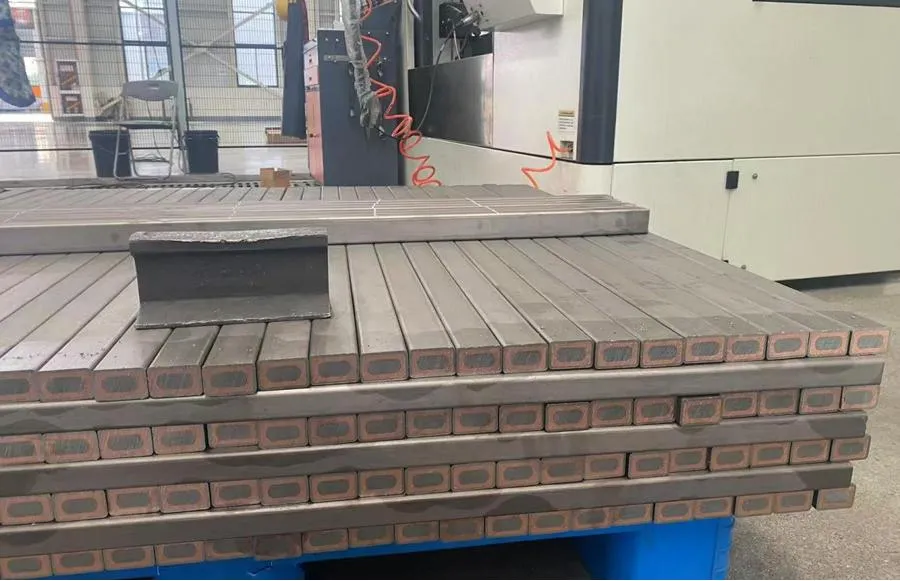
What Is Titanium Clad Copper ?
Titanium clad copper is a bimetallic composite material manufactured through metallurgical bonding between titanium and copper. The copper core serves as the primary conductor, providing excellent electrical conductivity, while the titanium outer layer protects the material from corrosion in aggressive chemical environments.
Unlike conventional conductive materials, titanium clad copper successfully combines the strengths of two metals into a single integrated product.
Key characteristics include:
High electrical conductivity
Excellent corrosion resistance
Strong metallurgical bonding
Long service life
Low maintenance requirements
High mechanical strength
Stable performance in acidic environments
Because of these advantages, titanium clad copper is widely used in:
Copper electrowinning plants
Copper electrorefining facilities
Zinc electrowinning operations
Nickel electrowinning plants
Chlor-alkali industries
Electrochemical processing systems
Metal recovery facilities
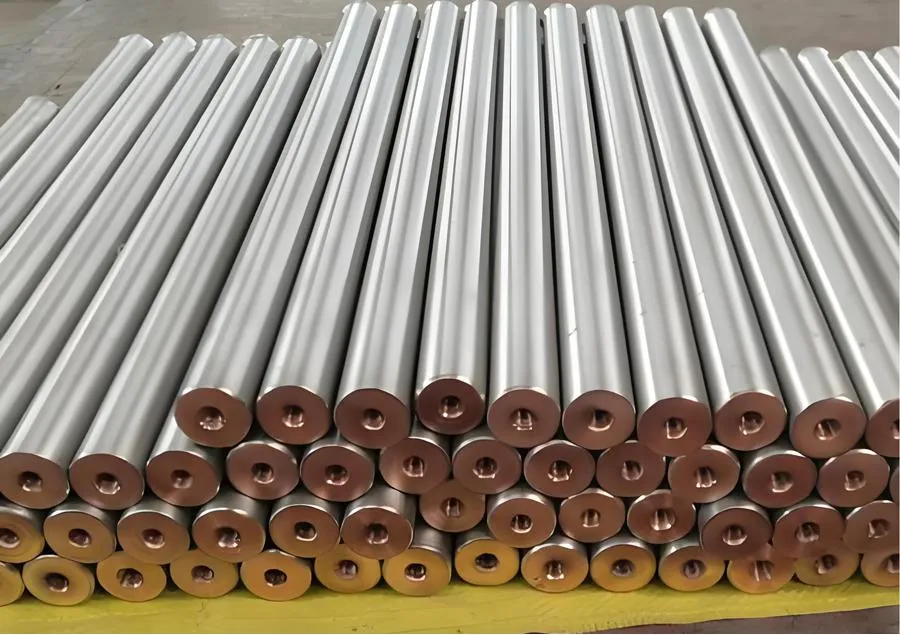
Why Titanium Clad Copper Is Essential for Modern Copper Smelters?
Copper electrolysis plants require continuous operation under challenging conditions. Conductive components are exposed to acidic electrolytes, moisture, temperature fluctuations, and high electrical loads for extended periods.
Traditional copper busbars provide excellent conductivity but are vulnerable to corrosion when exposed to electrolytes. Pure titanium offers exceptional corrosion resistance but has significantly lower electrical conductivity, resulting in higher electrical resistance and energy losses.
Titanium clad copper overcomes these limitations by combining both materials.
Major benefits include:
Conductivity close to pure copper
Corrosion resistance comparable to pure titanium
Reduced voltage loss
Improved current efficiency
Lower heat generation
Enhanced production stability
Reduced maintenance frequency
Longer equipment service life
These advantages make titanium clad copper an increasingly popular choice for modern copper refining facilities seeking higher productivity and lower operational costs.
Key Applications of Titanium Clad Copper in Electrolysis Systems
1. Conductive Busbars for Electrolytic Cells
Busbars serve as the main current-carrying components in electrowinning and electrorefining systems. Their performance directly influences power consumption and current distribution.
Titanium clad copper busbars offer:
Excellent electrical conductivity
Uniform current transmission
Reduced voltage drop
Improved energy efficiency
Resistance to sulfuric acid corrosion
Long-term operational reliability
By minimizing electrical losses, titanium clad copper busbars help improve overall plant performance while reducing energy costs.
2. Starter Sheet Conductive Bars
Starter sheet production requires precise and stable current distribution. Any inconsistency in electrical contact can affect copper deposition quality.
Titanium clad copper conductive bars help achieve:
Uniform current distribution
Reduced sheet defects
Improved cathode quality
Lower maintenance requirements
Increased production consistency
As a result, many electrorefining facilities utilize titanium clad copper components to enhance starter sheet production efficiency.
3. Anode Connector Rods and Conductive Connectors
Anode connectors operate continuously in highly corrosive environments while carrying substantial electrical loads.
Titanium clad copper connector systems provide:
Excellent conductivity
High bond strength
Corrosion resistance
Mechanical stability
Long service life
These characteristics contribute to reliable plant operation and reduced equipment downtime.
How Titanium Clad Copper Improves Energy Efficiency
Energy consumption is one of the largest operating expenses in copper electrowinning facilities. Even small improvements in electrical efficiency can generate substantial cost savings over time.
Because titanium clad copper maintains conductivity close to that of pure copper, electrical resistance throughout the system remains low. Lower resistance results in:
Reduced cell voltage
Lower power losses
Improved current efficiency
Reduced heat generation
Enhanced operational stability
In many applications, titanium clad copper conductive systems contribute to noticeable improvements in overall energy utilization, making them an attractive option for facilities focused on reducing operating costs.
As global electricity prices continue to increase, energy-efficient conductive materials are becoming increasingly important in electrolysis plant design.
How Titanium Clad Copper Supports Different Electrolysis Operations
Copper Electrowinning
Copper electrowinning plants require stable current transmission for efficient copper deposition. Titanium clad copper busbars help improve current distribution while resisting electrolyte corrosion.
Copper Electrorefining
In copper electrorefining operations, conductive components must maintain electrical efficiency while supporting high-purity copper production. Titanium clad copper helps ensure stable performance and reduced contamination risks.
Zinc Electrowinning
Zinc production facilities frequently utilize titanium clad copper conductive systems due to their excellent resistance to acidic electrolytes and long service life.
Nickel Electrowinning
Nickel electrowinning processes involve aggressive chemical environments where corrosion-resistant conductive materials are essential for reliable operation.
Chlor-Alkali Production
The chlor-alkali industry requires conductive materials capable of resisting corrosive chemicals while maintaining efficient electrical performance. Titanium clad copper is widely recognized as a suitable solution for these demanding applications.
Titanium Clad Copper vs. Pure Copper vs. Pure Titanium
|
Property
|
Pure Copper
|
Pure Titanium
|
Titanium Clad Copper
|
|
Electrical Conductivity
|
Excellent
|
Low
|
Excellent
|
|
Corrosion Resistance
|
Poor
|
Excellent
|
Excellent
|
|
Voltage Loss
|
Low Initially
|
Higher
|
Low
|
|
Energy Efficiency
|
High Initially
|
Lower
|
High
|
|
Service Life
|
Short
|
Long
|
Long
|
|
Maintenance Cost
|
High
|
Medium
|
Low
|
|
Electrolyte Contamination Risk
|
High
|
None
|
None
|
|
Total Ownership Cost
|
High
|
High
|
Low
|
Titanium clad copper successfully combines the advantages of both materials while minimizing their limitations, making it a preferred choice for electrochemical industries.
Manufacturing Process of Titanium Clad Copper
The performance and reliability of titanium clad copper products depend largely on the quality of the bond between titanium and copper.
Several manufacturing methods are commonly used:
Explosion Bonding
Explosion bonding creates a high-strength metallurgical interface without melting either metal. This process is widely used for producing large titanium clad copper plates and bars.
Hot Rolling Bonding
Hot rolling utilizes controlled pressure and temperature to create a uniform bond over large surface areas.
Diffusion Bonding
Diffusion bonding forms a molecular-level connection between titanium and copper through heat and pressure, resulting in excellent mechanical properties.
To ensure quality and reliability, finished titanium clad copper products typically undergo:
Ultrasonic testing (UT)
Bond strength testing
Conductivity testing
Dimensional inspection
Surface quality inspection
These quality control procedures help guarantee consistent performance in demanding industrial applications.
Future Trends in Titanium Clad Copper Applications
As the copper industry continues to modernize, the demand for advanced conductive materials is expected to grow steadily.
Several industry trends are driving increased adoption of titanium clad copper:
Rising Energy Costs
Copper producers are increasingly focused on reducing electrical losses and improving energy efficiency throughout electrolysis systems.
Longer Equipment Service Life
Facilities seek durable conductive materials that minimize maintenance requirements and reduce operational interruptions.
Environmental Sustainability
Reducing material waste and improving process efficiency are becoming important objectives for mining and metallurgical operations worldwide.
Higher Product Purity Requirements
Stable current distribution and corrosion-resistant conductive components contribute to improved cathode copper quality and consistency.
As these trends continue, titanium clad copper is expected to play an increasingly important role in next-generation electrolysis technologies.
What is titanium clad copper used for?
Titanium clad copper is commonly used for busbars, conductive bars, connector rods, cathode bars, anode components, and current distribution systems in electrolysis plants.
Why is titanium clad copper better than pure copper?
Titanium clad copper combines the conductivity of copper with the corrosion resistance of titanium, providing longer service life and lower maintenance costs.
Is titanium clad copper suitable for copper electrowinning plants?
Yes. Titanium clad copper is widely used in copper electrowinning facilities because it offers excellent conductivity, corrosion resistance, and operational reliability.
How is titanium clad copper manufactured?
Common manufacturing methods include explosion bonding, hot rolling bonding, and diffusion bonding.
Can titanium clad copper reduce energy consumption?
By reducing electrical resistance and voltage losses, titanium clad copper can contribute to improved energy efficiency in electrolysis systems.
Is titanium clad copper resistant to sulfuric acid?
Yes. The titanium cladding provides excellent resistance to sulfuric acid and many other corrosive electrolytes commonly found in hydrometallurgical operations.
What industries use titanium clad copper?
Major industries include copper refining, zinc production, nickel processing, chlor-alkali manufacturing, electrochemical processing, and metal recovery operations.
How long does titanium clad copper last?
Depending on operating conditions, system design, and maintenance practices, titanium clad copper components can often provide reliable service for many years.
Modern copper electrowinning and electrorefining facilities require conductive materials that deliver both excellent electrical performance and exceptional corrosion resistance. Titanium clad copper busbars successfully meet these requirements by combining the conductivity of copper with the durability of titanium.
 +86-731-82224155
 8613272400394
 enquiry@jetvisiontitanium.com